London Ambulance Service NHS Trust
The London Ambulance Service NHS Trust (LAS) is the busiest ambulance service in the United Kingdom, responding to over 1.9 million emergency calls each year across the 620 square miles of Greater London. As an NHS Trust, the LAS operates under the direction of NHS England and is accountable to the Secretary of State for Health and Social Care, serving a population of approximately nine million people.
Founded in 1965 and headquartered in Waterloo, the LAS employs more than 9,000 staff and volunteers operating from ambulance stations across all 32 London boroughs and the City of London. The service responds to Category 1 life-threatening emergencies — such as cardiac arrests and strokes — through to Category 2 and 3 calls requiring urgent and non-urgent assessment and treatment. In addition to double-crewed ambulances (DCAs), the LAS deploys Motorcycle Response Units (MRUs), Fast Response Units (FRUs), Hazardous Area Response Teams (HART), and an Air Ambulance in partnership with London's Air Ambulance Charity.
The London Ambulance Service's mission is to deliver high-quality, compassionate care to every patient, treating people at home where clinically safe and transporting to hospital when necessary. The LAS works in close partnership with the Metropolitan Police Service, London Fire Brigade, NHS hospitals, and other partner agencies to ensure a coordinated response to major incidents and day-to-day emergencies across the capital.
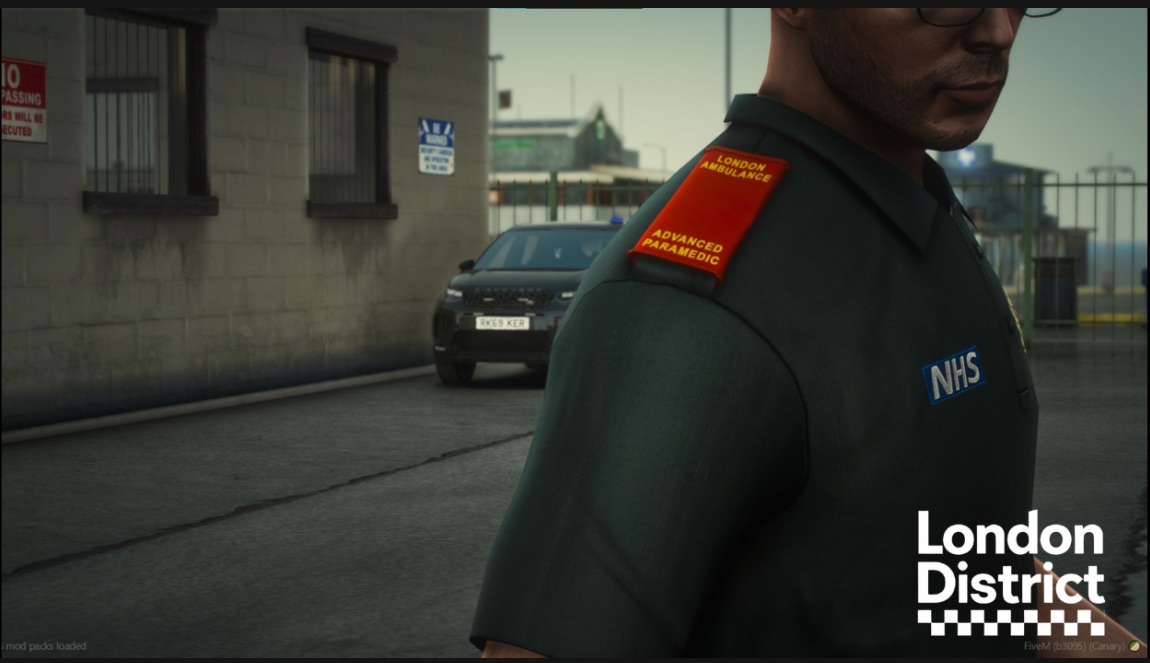
Join London Ambulance Service Today!
We're seeking dedicated, compassionate individuals committed to delivering life-saving care to the people of London.
Take the next step — apply today and help us deliver the highest quality emergency medical care when it matters most.
JOIN TODAY
Emergency Medical Technician (EMT)
Respond to 999 calls alongside paramedics, providing essential patient assessment, treatment, and transport as part of a double-crewed ambulance.
Paramedic
Deliver advanced pre-hospital care including drug administration, airway management, and clinical decision-making at emergency scenes across London.
Fast Response Unit (FRU)
Solo-responding paramedics deployed by car or motorcycle to reach Category 1 and 2 emergencies rapidly, ahead of or alongside a double-crewed ambulance.
Hazardous Area Response Team (HART)
Specialist paramedics trained to operate in dangerous and complex environments including chemical, biological, radiological, and nuclear (CBRN) incidents and urban search and rescue.
Clinical Team Manager (CTM)
Experienced paramedics providing on-scene clinical supervision, crew support, and operational oversight across a designated area of London.
Emergency Operations Centre (EOC)
Call handlers and dispatchers working from the LAS control rooms to triage 999 calls, allocate resources, and coordinate the response to incidents across Greater London.